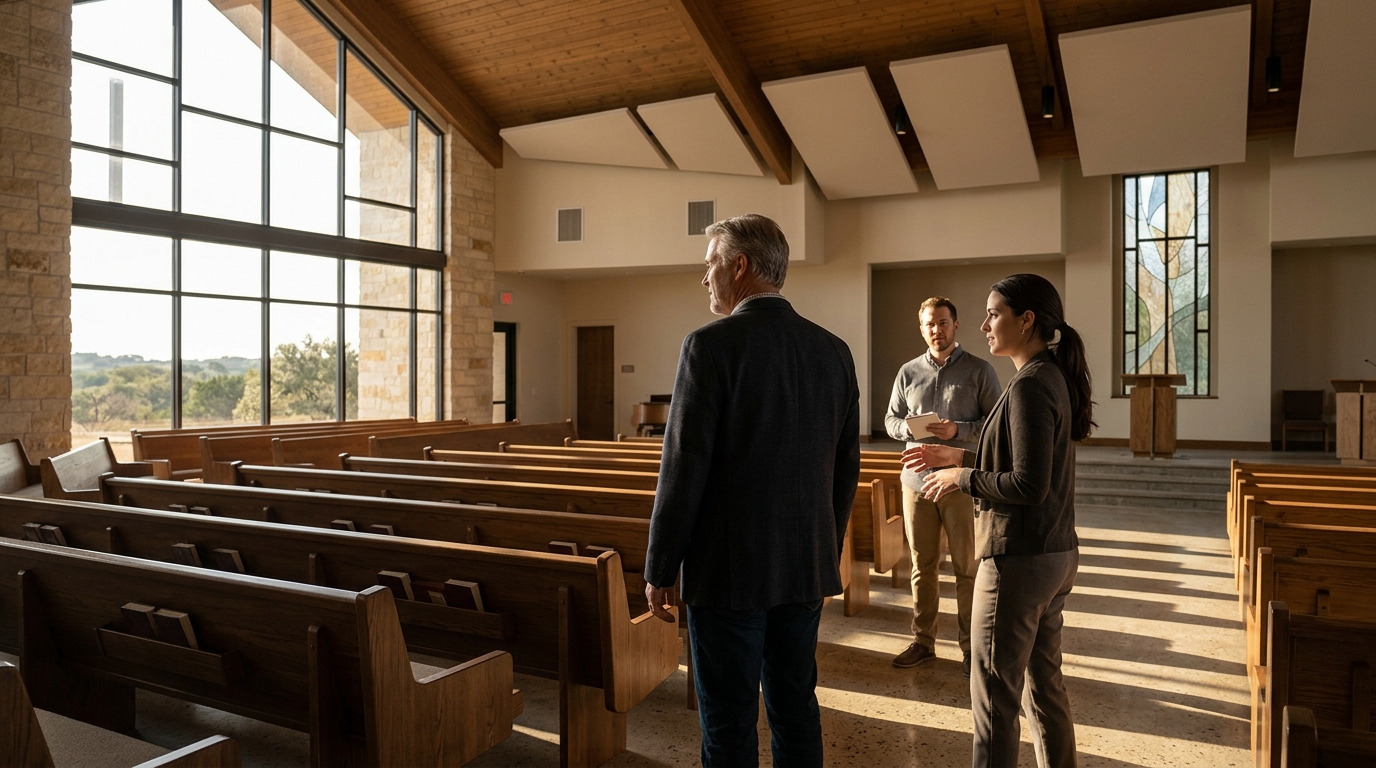
Choosing the right architectural partner is the most critical decision in your church's building journey. In Texas, the top firms are those that combine deep ministry understanding with rigorous technical expertise. This guide outlines how to evaluate, verify, and select a church architecture firm that aligns with your specific mission and growth goals.
How to Choose a Church Architect
Church architecture is a specialized field that requires more than just drawing skills. A church architect is a professional who designs spaces specifically to facilitate worship, community gathering, and ministry operations. When evaluating firms in Texas, you must look beyond aesthetic preferences and focus on ministry-first philosophy. A generalist architect may build a beautiful building, but they might miss the functional nuances required for a thriving congregation.
Ministry-First Philosophy
The primary differentiator is whether the firm understands the spiritual and operational goals of a church. Firms like Crosspointe Architects operate with a ministry-first approach, ensuring the building serves the mission rather than the other way around. Look for a team that has experience with church leadership structures and understands the flow of a typical Sunday service.
Experience and Portfolio
Review the firm's portfolio for projects similar in size and style to your vision. Experience with over 300 church projects, as seen in the history of established firms, provides a level of insight that generalists simply cannot match. This depth of experience allows architects to anticipate common pitfalls in church design, such as acoustics, sightlines, and visitor experience. according to Firm Registration FAQs
Questions to Ask Before Committing
Before signing a contract, you must ask specific questions that reveal the firm's process and compatibility. These questions help you determine if the architect is a partner in your vision or just a service provider.
Process and Collaboration
Ask how the firm involves the leadership team in the design process. Does the firm offer a collaborative workshop format? For example, the Design Summit Workshop is a unique process where the architect and church leadership brainstorm and draw together. This level of involvement ensures the final design truly reflects the congregation's identity.
Scope of Services
Determine if the firm offers full-service architectural support or if you will need to hire separate engineers and interior designers. A comprehensive firm should manage the entire process, from master site planning to construction documents. Ask about their experience with church interior design, as the interior is often where the ministry experience is most felt.
Verifying Credentials and Claims
In the architecture industry, credentials are not just marketing fluff; they are legal requirements. You must verify that the firm and its principals are properly licensed to practice in Texas.
Licensing Verification
The Texas Board of Architectural Examiners (TBAE) maintains a public registry of licensed architects and firms. You can verify a firm's registration status through the Texas PELS system. Sole practitioners and firms must be registered to offer services to clients in Texas. Always confirm that the specific architect leading your project holds an active license.
NCARB Certification
Look for NCARB (National Council of Architectural Registration Boards) certification. This is a national standard that ensures the architect has met rigorous education and experience requirements. For instance, the lead architect at Crosspointe, Steve Upham, is NCARB certified, which signifies a high level of professional competence.
The Design Process and Timeline
Understanding the workflow helps you manage expectations and plan your fundraising efforts. The architectural process typically follows a structured sequence of phases.
Conceptual Design
The process begins with identifying physical and spiritual goals. This phase often involves a master site plan and a conceptual building design. Firms may use interactive workshops to accelerate this stage, allowing for rapid iteration of ideas.
Design Development and Documentation
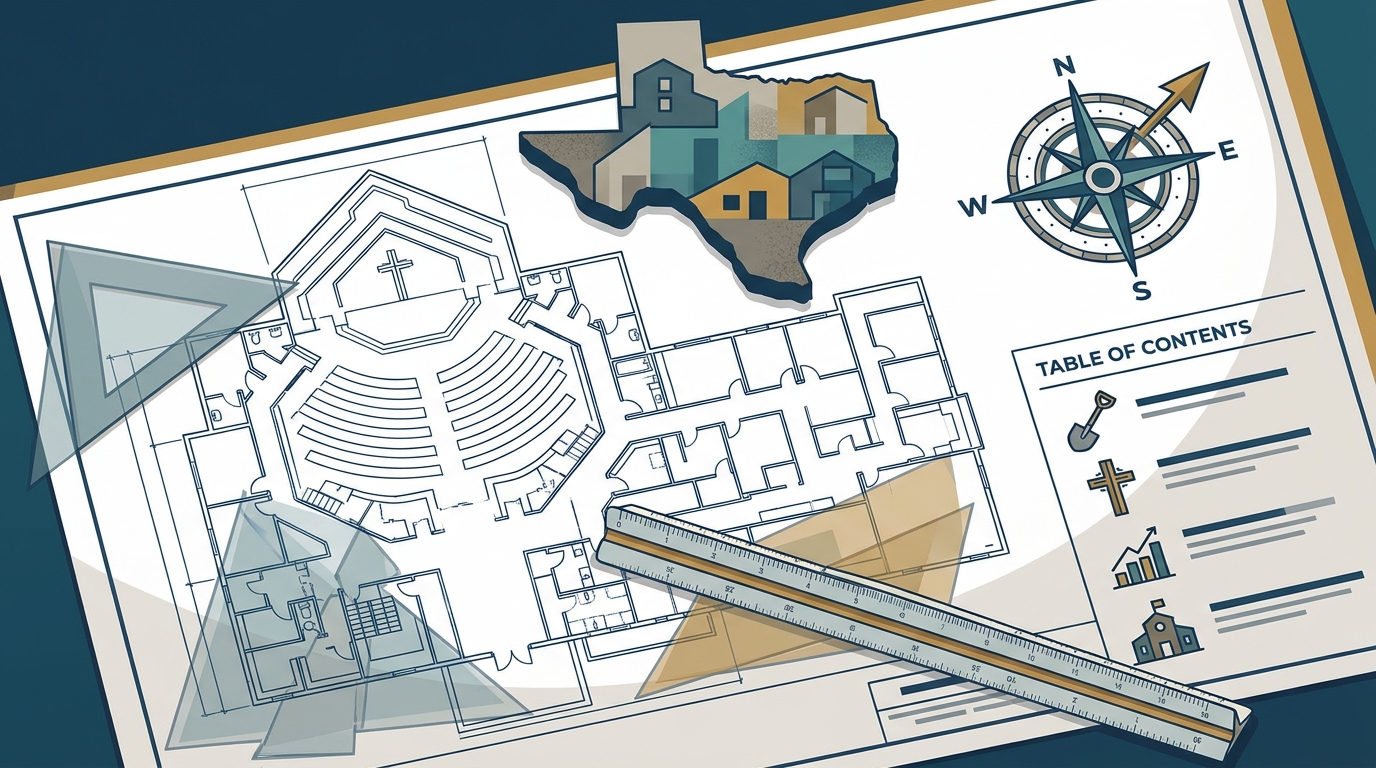
After the concept is approved, the firm develops presentation plans and artist's renderings. This is followed by the design development phase, where mechanical, electrical, and plumbing systems are detailed. The final phase involves creating construction documents, which are the detailed drawings used by contractors to build the project.
Understanding Architectural Fees
Project Complexity
A custom design with unique structural elements will cost more than a pre-designed plan. The complexity of the site, local zoning requirements, and the level of detail in the interior finishes all impact the final fee.
Scope of Services
Deciding between a full-service turnkey approach and a select-and-specify format can significantly alter costs. A full-service approach includes detailed interior design and material selection, while a select-and-specify format may leave some decisions to the church or a separate interior designer.
Common Mistakes to Avoid
Many church building projects face delays or budget overruns due to early-stage errors. Avoiding these common mistakes can save your congregation significant time and money.
Lack of Vision Clarity
Starting the design process without a clear understanding of your ministry goals leads to a building that does not serve its purpose. Ensure your leadership team is aligned on the vision before engaging an architect.
Ignoring the Visitor Experience
Designing only for members and forgetting the visitor is a critical error. The flow from arrival to departure must be welcoming and intuitive. A good architect will design with the entire visitor experience in mind, from the parking lot to the lobby.
Custom Design vs. Pre-Designed Plans
Churches often choose between a fully custom design and a pre-designed plan that is modified to fit their needs. Both options have distinct advantages.
| Feature | Custom Design | Pre-Designed Plans |
|---|---|---|
| Uniqueness | Highly unique, tailored to specific site and vision | Based on existing templates, modified for fit | Timeline | Longer, requires more design iterations | Faster, starting point is already established | Cost | Generally higher design fees | Often lower initial design fees | Flexibility | Complete freedom in form and function | Constrained by the base plan's structure |
Firms like Crosspointe Architects offer both options, allowing churches to choose the path that best fits their budget and timeline. Pre-designed plans can be personalized in various ways, such as changing seating capacity or adding rooms.
Addressing Specific Church Needs
Different churches have different primary functions. Your architectural partner should be able to address your specific ministry focus.
Worship-Centric vs. Community-Centric
If your church is primarily worship-centric, the sanctuary design will be the focal point. If you are community-centric, the lobby, cafe, and small group spaces will be prioritized. A firm with experience in various church designs can balance these needs effectively.
Children and Youth Ministries
Designing safe, engaging, and functional spaces for children and youth is a complex task. Look for an architect who understands the specific needs of different age groups, from check-in systems to classroom layouts.
Licensing and Legal Protections
Working with a licensed architect provides legal protections and ensures compliance with building codes. In Texas, the practice of architecture is regulated by the state to protect the public health, safety, and welfare.
Code Compliance
Contractual Clarity
A professional architectural contract clearly defines the scope of services, deliverables, and fees. This protects both the church and the firm, providing a clear roadmap for the project.
Texas-Specific Considerations
Building in Texas comes with unique environmental and regulatory challenges. Your architect should have specific experience with the local climate and building codes.
Climate and Energy Efficiency
Texas' hot and humid climate requires careful consideration of HVAC systems, insulation, and shading. An experienced church architect will design for energy efficiency to reduce long-term operating costs.
Local Licensing
While a firm may be based in Houston, they must be licensed in the specific state where the church is located. Crosspointe Architects serves churches across the country through direct licensing or via association with locally licensed architects. In some states, they may operate under a different name or through a local partner to ensure compliance.
Strategic Timing for Your Project
Timing is a critical factor in the success of a church building project. Starting the architectural process too early or too late can impact your fundraising and construction schedule.
Fundraising Alignment
Architectural presentation plans and renderings are powerful tools for fundraising. Having these visuals ready early in the campaign can significantly increase giving. The design process should be timed to coincide with the peak of your fundraising efforts.
Construction Season
Consider the local construction season when planning your timeline. In Texas, the summer months can be challenging for construction due to heat and humidity. Planning your construction start date accordingly can help avoid delays.
Long-Term Outcomes and ROI
A well-designed church building is an investment that yields returns over decades. The long-term outcomes of working with a top-tier church architecture firm are measurable.
Ministry Growth
A building that supports your ministry goals can facilitate growth in attendance and engagement. The right design creates an environment where people want to gather, worship, and serve. according to Ministry of Efficiency
Operational Efficiency
Efficient design reduces operating costs and maintenance issues. A building that is easy to maintain and energy-efficient provides a better return on investment over its lifespan.
Key Takeaways
- Choose a firm with a ministry-first philosophy and extensive church-specific experience.
- Verify the firm's and architect's licensing through the Texas Board of Architectural Examiners.
- Ask about the firm's collaborative process, such as interactive design workshops.
- Understand the difference between custom design and pre-designed plans.
- Ensure the architect has experience with Texas-specific climate and code requirements.
- Align the design timeline with your fundraising campaign for maximum impact.
- Look for NCARB certification as a marker of professional competence.
- Consider the long-term operational efficiency and ministry growth potential of the design. according to Ministry of Efficiency
Frequently Asked Questions
What is the difference between a church architect and a general architect?
A church architect specializes in designing spaces for worship and ministry, understanding the unique functional and spiritual needs of a congregation. A general architect may lack this specific expertise.
How much does a church architect cost in Texas?
Architectural fees are typically a percentage of the total construction cost. The exact fee depends on the scope of services, project complexity, and the firm's rates.
Do I need a custom design or can I use a pre-designed plan?
How long does the architectural design process take?
The timeline varies, but a typical process can take several months. Interactive workshops can accelerate the conceptual phase, while construction documentation takes longer.
How do I verify if an architect is licensed in Texas?
You can check the Texas Board of Architectural Examiners registry online to verify the license status of firms and individual architects.
Can a church architect help with fundraising?
Yes, architects often provide presentation plans and renderings that are used as visual tools to help the congregation understand the vision and support the fundraising campaign.