Building a new church requires a structured approach to planning, budgeting, and design. You must align your physical space with your ministry goals before breaking ground. This guide covers the essential steps for church planting, committee formation, and budget assessment. It provides a clear roadmap for leaders ready to start their construction journey.
Church Planting Fundamentals
Church planting is the process of establishing a new local congregation in a specific community. Before considering a building project, leaders must ensure the spiritual and organizational foundation is solid. A new church needs a clear mission statement and a defined target demographic. These elements dictate the size and style of the future facility. according to How to Start
Many new churches begin in rented spaces or homes. The transition to a permanent building is a major milestone. It signals stability and long-term commitment to the neighborhood. Leaders should assess their growth trajectory before committing to construction. If attendance is stable and the community need is clear, a building project may be the next logical step. according to Planning Church Construction
Building Committee Formation
A building committee is a dedicated group of volunteers responsible for overseeing the construction process. This team manages the timeline, budget, and vendor relationships. It is essential to select members with diverse skills. You need individuals with experience in finance, construction, and community outreach.
Leadership must empower the committee while maintaining final decision-making authority. The pastor or senior leadership team should guide the vision. The committee executes the plan. This structure allows for efficient decision-making. It also keeps the project aligned with the church's mission.
Budget Assessment
Budget assessment is the process of determining the total cost of the building project. This includes land acquisition, construction costs, and contingency funds. Accurate budgeting is the most critical step in the process. Underestimating costs can lead to financial strain and project delays.
Design and Architectural Planning
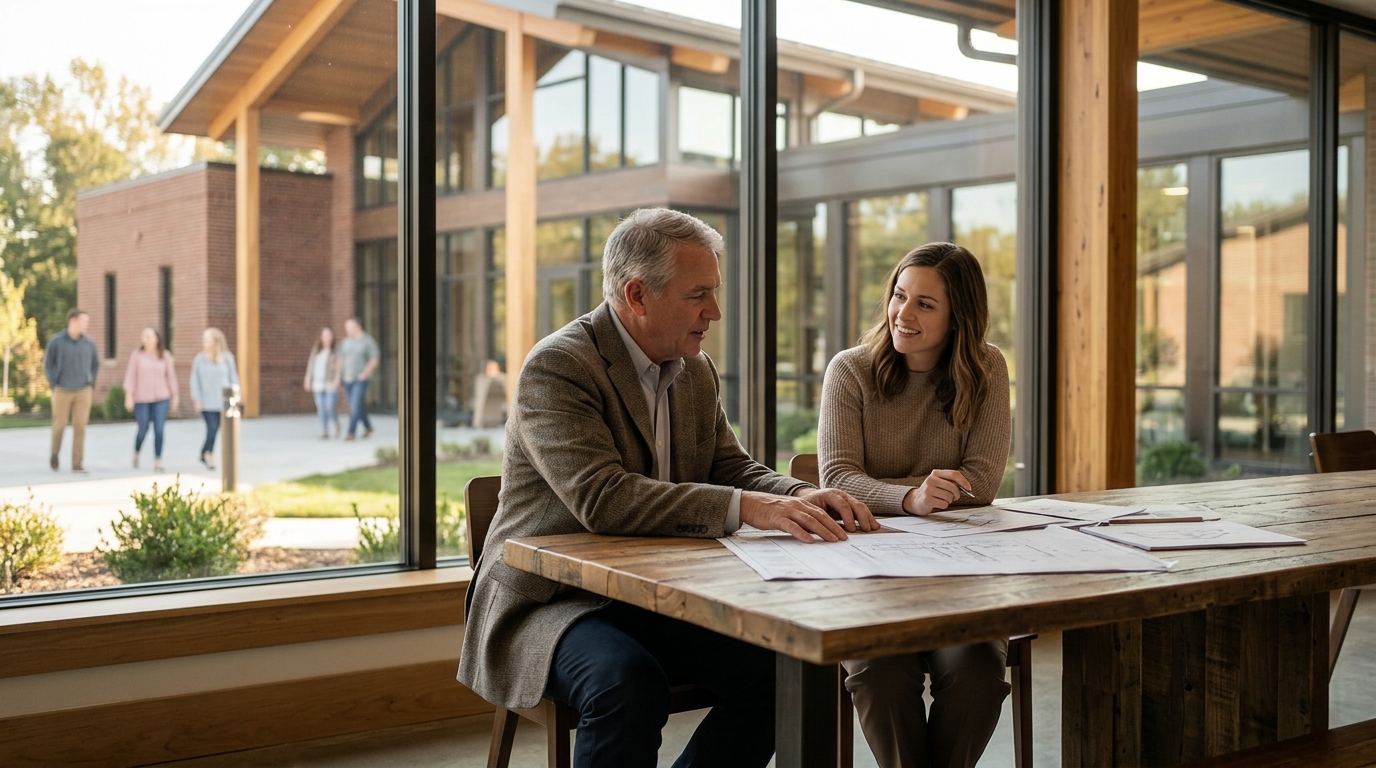
Architectural planning is the phase where your vision becomes a physical blueprint. This is where you work with a professional architect to create the floor plans and exterior designs. The design must reflect the church's identity and functional needs. It should create a welcoming environment for both members and visitors. according to 20 Surprising Church
Choosing the right architect is crucial. You need a firm that understands the unique needs of a church. General architects may not grasp the specific requirements for worship spaces. A specialized firm can guide you through the process. They can help you balance aesthetics with functionality.
Consider using a pre-designed plan or a custom design. Pre-designed plans can save time and money. They are often optimized for efficiency. Custom designs allow for unique features that match your specific vision. Both options have their merits. The right choice depends on your budget and goals.
Fundraising and Campaign Strategy
Fundraising is the engine that drives the building project. You need a clear strategy to raise the necessary funds. This involves setting a goal and creating a timeline. The campaign should engage the entire congregation. Every member should feel a sense of ownership in the project.
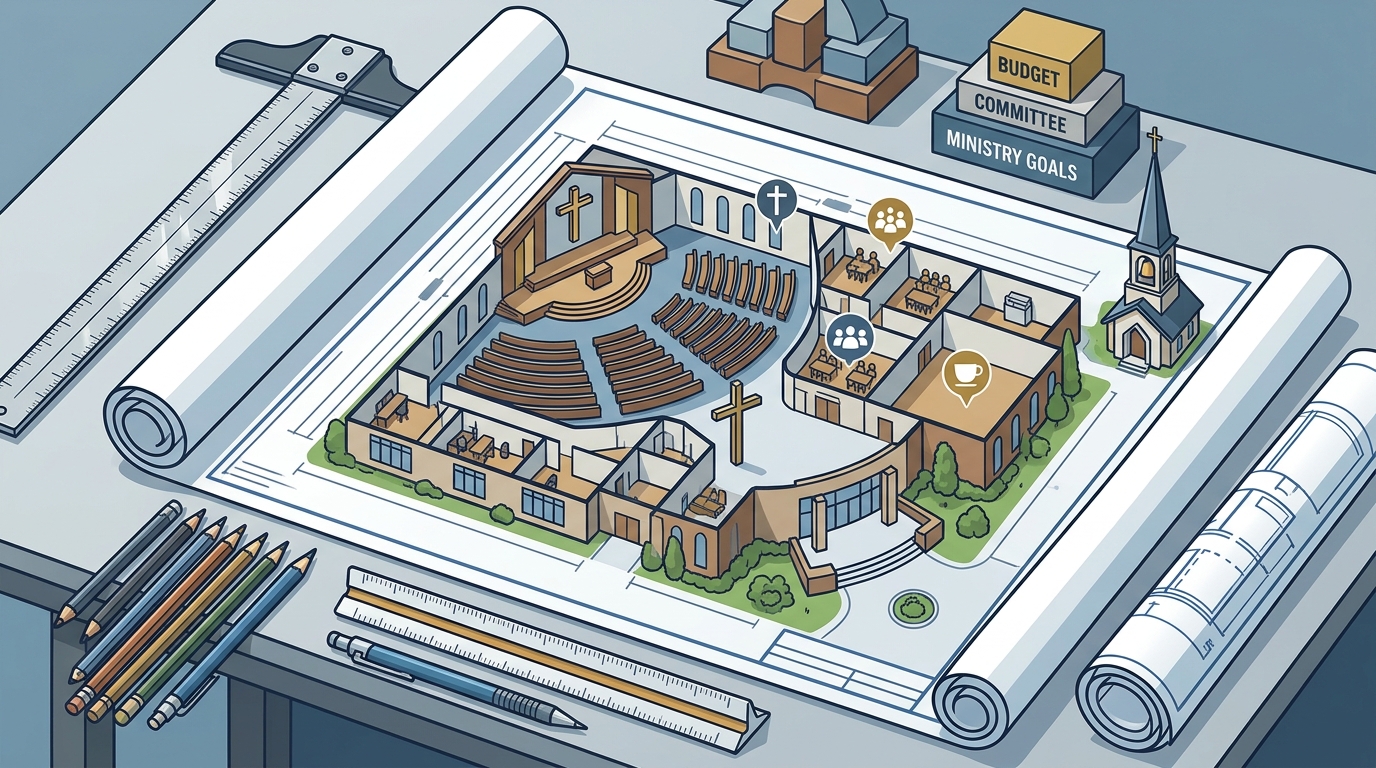
Visual tools are powerful in fundraising. Presentation plans and renderings help people see the future building. These visuals make the goal tangible. They inspire generosity and commitment. A compelling story about the mission behind the building is also essential. People give to a purpose, not just a structure.
Set realistic giving goals for each member. This helps in forecasting revenue. It also encourages consistent giving. Regular updates on the campaign progress keep the momentum going. Transparency builds trust. It ensures the congregation remains engaged throughout the process.
Key Takeaways
- Establish a solid spiritual and organizational foundation before starting construction.
- Form a diverse building committee with clear roles and responsibilities.
- Work with a specialized church architect to ensure functional and aesthetic design.
- Use visual tools like renderings to drive fundraising and engagement.
- Align the building design with your long-term ministry goals.
- Maintain transparency and regular communication with the congregation.
Frequently Asked Questions
How long does it take to build a new church?
The timeline varies based on the complexity of the project. A typical project takes 12 to 24 months from planning to completion. Pre-designed plans can shorten the design phase. Custom designs may take longer due to the detailed planning required.
What is the average cost per square foot for a church?
Should we use a pre-designed plan or a custom design?
How do we choose the right architect?
Look for a firm with experience in church architecture. Review their portfolio and client testimonials. Ensure they understand your ministry goals. A good architect will guide you through the process and advocate for your vision.
What is a Design Summit?
A Design Summit is a collaborative workshop where church leaders and architects work together. It is a hands-on process for developing the building design. This approach ensures the final design reflects the congregation's input and vision.
How do we fund the building project?
Funding typically comes from a combination of tithes, offerings, and special campaigns. You may also consider loans or grants. A well-planned fundraising campaign is essential. It ensures the project is fully funded before construction begins.