What to Look For in a Church Architecture Firm's Completed Projects
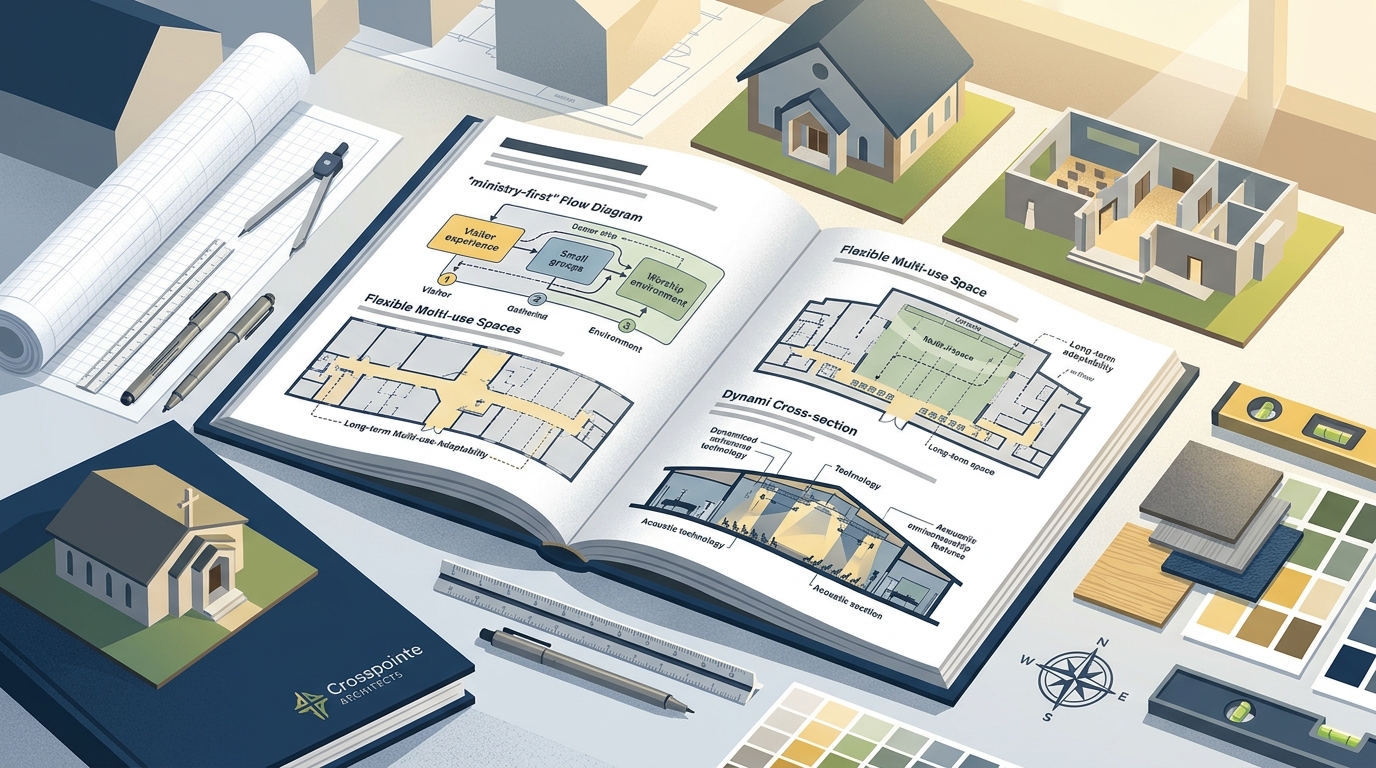
When reviewing a church architecture firm's completed projects, you should look for evidence of ministry-first design, functional flow, and long-term adaptability. Specifically, examine how the firm handles visitor experience, small group spaces, and worship environments. A strong portfolio demonstrates that the building serves the mission, not just the aesthetic. This assessment ensures your new facility will support your congregation's growth and daily operations effectively.
Ministry-First Design Philosophy
The most critical indicator of a quality church architecture firm is a ministry-first design philosophy. This approach is a design methodology that prioritizes the spiritual and functional needs of the congregation over purely aesthetic considerations. When you review a portfolio, look for buildings that clearly facilitate worship, fellowship, and outreach. The layout should guide people naturally from arrival to participation. If the design feels like a generic office building with a steeple, it likely lacks this core focus.
For example, Crosspointe Architects emphasizes that a building should serve the ministry and mission. Their completed projects often feature dedicated spaces for small groups and children, which are essential for modern church operations. This focus ensures that the architecture supports the actual activities of the church, rather than just looking impressive from the outside. A firm that understands ministry will design spaces that make it easy for people to connect and serve.
Functional Flow and Visitor Experience
Functional flow is the logical movement of people through a building, from parking to worship to departure. A well-designed church ensures that visitors feel welcomed and oriented without confusion. When reviewing completed projects, trace the path of a first-time visitor. Does the lobby feel inviting? Is the check-in process for children seamless? Are restrooms and exits clearly marked? Poor flow creates friction, which can discourage attendance and participation. according to Flow Cytometry and
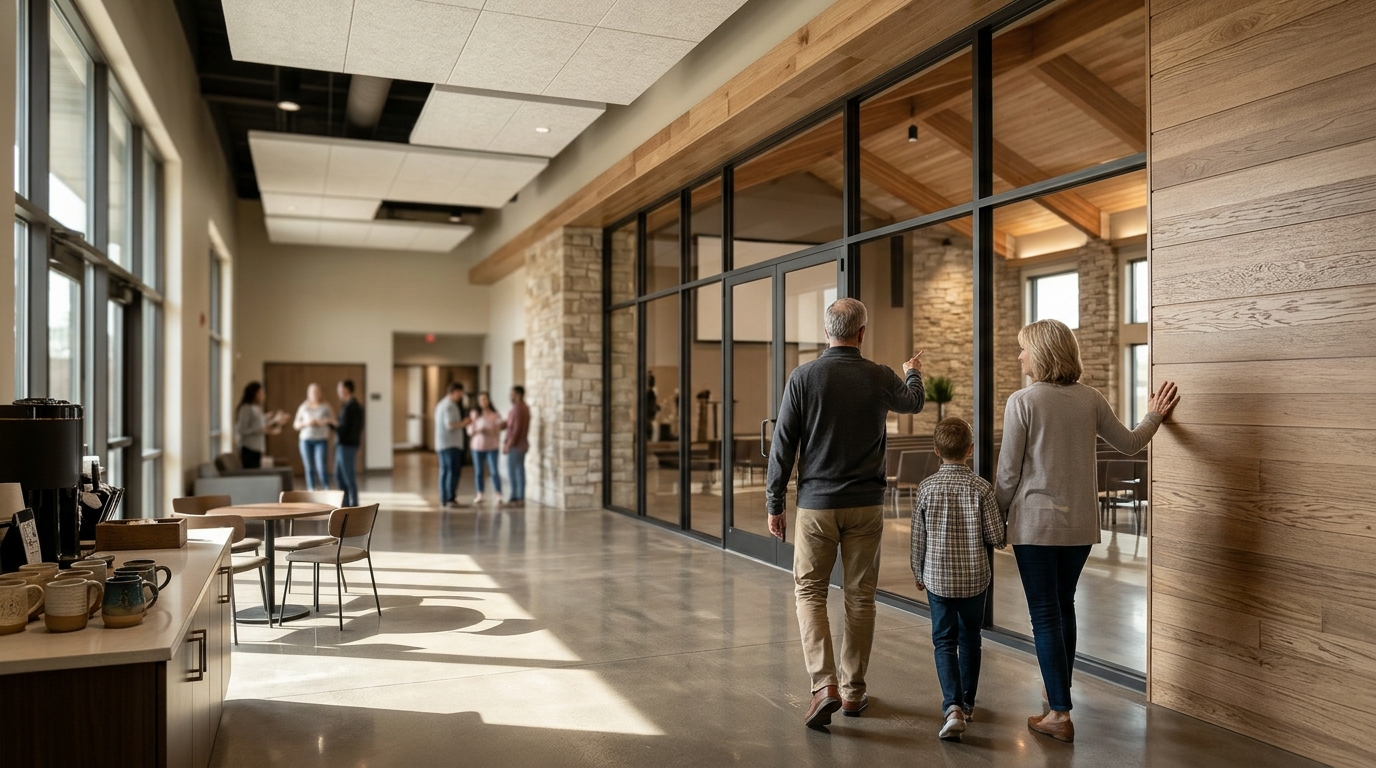
Consider the lobby as the heart of the church. In many successful projects, the lobby is designed as a multi-purpose space for conversation, cafe seating, and welcome centers. This area sets the tone for the entire visit. A firm that excels in this area will show you how they balance high-traffic areas with quiet zones. The implication is that your congregation will spend more time in the building, fostering deeper relationships and community engagement.
Adaptability and Long-Term Growth
Interior Design and Atmosphere
Interior design is the selection of finishes, furniture, and lighting to create a specific atmosphere. In a church, the atmosphere should be welcoming, dignified, and conducive to worship. When reviewing completed projects, pay attention to the quality of the interior spaces. Are the materials durable and easy to maintain? Does the lighting support both worship and social events? A cohesive interior design enhances the overall experience and reflects the church's values.
Look for firms that offer full-service interior design, including cafes, restrooms, and office suites. These details matter because they are used daily by your staff and congregation. A firm that pays attention to these details shows a commitment to excellence. The implication is that your building will feel cared for and professional, which can influence how your community perceives your ministry. High-quality interiors also tend to have a longer lifespan, reducing long-term maintenance costs.
Key Takeaways
- Ministry-first design is a methodology that prioritizes spiritual and functional needs over aesthetics.
- Functional flow ensures that visitors move logically through the building, enhancing their experience.
- Adaptability allows a building to grow and change with the congregation's needs over time.
- Look for evidence of long-term planning and phased construction options in the portfolio.
- A strong portfolio demonstrates a clear understanding of modern church operations and ministry goals.
Frequently Asked Questions
What is the most important feature in a church building?
The most important feature is the worship space, as it is the primary function of the building. However, the lobby and small group spaces are also critical for community building. A balanced design ensures that all aspects of ministry are supported effectively.
How do I know if a firm understands ministry?
You can assess this by reviewing their portfolio for projects that include dedicated spaces for small groups, children, and outreach. A firm that understands ministry will design for these functions, not just for the sanctuary. Their communication style should also reflect an understanding of church culture and goals.
Should I look at pre-designed or custom plans?
Both options have merits. Pre-designed plans can save time and money, while custom plans offer a unique fit for your specific site and vision. The key is to ensure that the firm can personalize the design to meet your ministry needs, regardless of the starting point.
How important is the lobby in a church design?
The lobby is extremely important as it is the first point of contact for visitors. It sets the tone for the entire visit and should be welcoming and functional. A well-designed lobby can significantly impact how people perceive your church and their willingness to return.
Can a church building be expanded later?
Yes, if the initial design includes adaptability. Look for plans that allow for future expansion, such as removable walls or reserved space for additional rooms. This flexibility ensures that the building can grow with your congregation without requiring a complete rebuild.
Conclusion
Reviewing a church architecture firm's completed projects is a vital step in ensuring your building will serve your ministry effectively. By focusing on ministry-first design, functional flow, adaptability, and interior design, you can identify a firm that truly understands your needs. Crosspointe Architects offers a wealth of experience in these areas, with a portfolio that reflects a deep commitment to church-specific solutions. To begin your assessment, you can explore their church designs or contact our team for a consultation.