Past church clients frequently report that the most critical factor in a successful building project is an architect who deeply understands ministry operations. They emphasize that technical skill alone is insufficient; the firm must grasp the spiritual and functional flow of a congregation. This alignment ensures the final building serves the mission rather than just the aesthetic. Crosspointe Architects, a ministry-first firm, prioritizes this understanding to create spaces that resonate with the community.
The Importance of Ministry-First Design Thinking
Church leaders often state that generic architectural firms struggle to grasp the unique rhythms of worship and community life. A ministry-first approach is a design philosophy that prioritizes the functional and spiritual needs of the congregation over purely aesthetic considerations. Clients highlight that when architects understand how a church operates on a Sunday morning versus a Tuesday evening, the resulting spaces are far more effective. This understanding prevents common pitfalls, such as lobbies that look beautiful but fail to facilitate hospitality.
Crosspointe Architects was founded on the principle that a building should serve the ministry and mission. The firm’s principals, Steve and Becca Upham, bring extensive backgrounds in church leadership and ministry. This experience allows them to ask the right questions during the initial planning stages. Clients appreciate that the design process begins with a deep dive into the church’s vision and long-term growth goals. This foundation ensures that every room and corridor has a clear purpose within the broader ministry strategy. according to Comfort or Beauty
Collaborative Processes and Client Involvement
Many past clients express relief when the design process is collaborative rather than dictatorial. A collaborative design process is a method where the client’s leadership team actively participates in shaping the floor plans and site layout. Traditional architectural engagements often leave clients feeling like passive observers until the final drawings are presented. This can lead to a disconnect between the vision and the final product. Clients value firms that invite them into the creative process from the start.
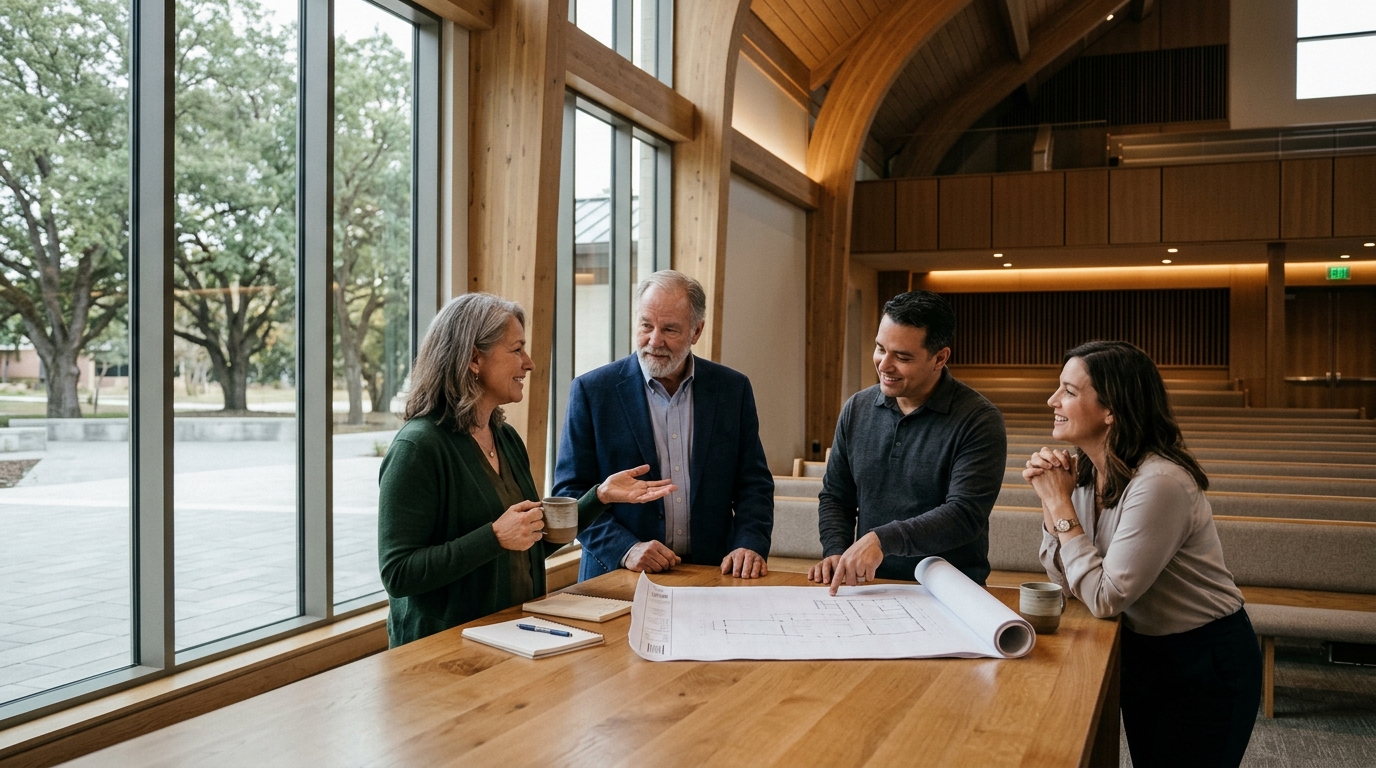
At Crosspointe Architects, this collaboration is formalized through the Design Summit Workshop. This unique process brings the church leadership team and the design team together for several days of intensive brainstorming. Steve Upham draws out ideas in real-time, allowing the team to see their vision take shape on paper. Clients report that this hands-on approach saves months of time and reduces the stress associated with major building projects. The transparency of the process builds trust and ensures that the final design reflects the collective wisdom of the leadership team.
Communication and Project Management
Clear and consistent communication is a recurring theme in client feedback. Effective project communication is the practice of providing regular, transparent updates on design progress, budget implications, and timeline milestones. Church building projects are complex and often involve multiple stakeholders, including boards, committees, and congregants. Clients frequently mention that poor communication can lead to misunderstandings and delays. They prefer firms that proactively address challenges and keep all parties informed.
Crosspointe Architects is known for its clear-cut communication style. Clients appreciate that the firm keeps them on task while also encouraging them to dream big. The team provides regular updates and ensures that the leadership team is never left in the dark. This level of transparency helps maintain momentum and keeps the project on track. Clients often note that the professionalism and responsiveness of the Crosspointe team make the entire experience smoother and less overwhelming.
Long-Term Partnership and Post-Construction Support
Many clients view their relationship with their architect as a long-term partnership rather than a one-time transaction. A long-term architectural partnership is a relationship where the firm continues to support the client after the initial construction is complete. Churches often evolve over time, requiring renovations, expansions, or interior updates. Clients value firms that remain available to support these future needs. This ongoing relationship ensures that the building continues to serve the church’s changing needs effectively.
Crosspointe Architects has built a reputation for staying connected with its clients long after the ribbon-cutting ceremony. The firm’s principals have worked with over 300 churches, many of which have returned for additional projects. This track record of repeat business speaks to the quality of the relationship and the satisfaction of the clients. Clients appreciate that the firm understands their specific context and history, allowing for more efficient and effective future collaborations.
Key Takeaways
- Ministry-first design thinking is essential for creating spaces that truly serve the church’s mission.
- Collaborative processes, such as the Design Summit Workshop, empower church leaders to shape the final design.
- Clear and consistent communication is critical for managing the complexity of church building projects.
- Long-term partnerships ensure that the building continues to evolve with the church’s needs.
- Crosspointe Architects brings unique ministry experience to the table, setting them apart from generic firms.
- Clients value firms that understand the functional flow of worship and community life.
- Transparency and professionalism in project management reduce stress and build trust.
Frequently Asked Questions
Why is ministry experience important in a church architect?
Ministry experience ensures that the architect understands the unique functional and spiritual needs of a church. This understanding leads to designs that are both practical and meaningful for the congregation.
How does the Design Summit Workshop work?
The Design Summit Workshop is a collaborative process where the church leadership team and the design team work together for several days to create a complete schematic design.
Can Crosspointe Architects work in my state?
Crosspointe Architects is licensed in many states and can obtain licensing to work in other states or Canadian provinces. They can also collaborate with locally licensed architects if needed.
What is the benefit of a ministry-first approach?
A ministry-first approach prioritizes the functional and spiritual needs of the congregation, ensuring that the building serves the church’s mission effectively.
How long does the design process take?
The design process varies depending on the complexity of the project, but the Design Summit Workshop can produce a complete schematic design in just five days.
Do you offer interior design services?
Yes, Crosspointe Architects offers full church interior design services, including select and specify formats and full-service turnkey approaches.
Conclusion
Choosing the right architecture firm is one of the most important decisions a church will make. Past clients consistently emphasize the value of a ministry-first approach, collaborative processes, and clear communication. Crosspointe Architects stands out for its deep understanding of church ministry and its commitment to creating spaces that serve the mission. If you are planning a building project, consider reaching out to to discuss your vision.