5 Top Church Architecture Firms Known for Ministry-Focused Designs
Church architecture firms are professional practices that design worship centers and ministry spaces. Selecting the right partner requires evaluating their specific focus on ministry integration, their design process, and their track record with congregations. This list highlights five firms recognized for prioritizing the spiritual and functional needs of the church in their architectural solutions.
1. Crosspointe Architects
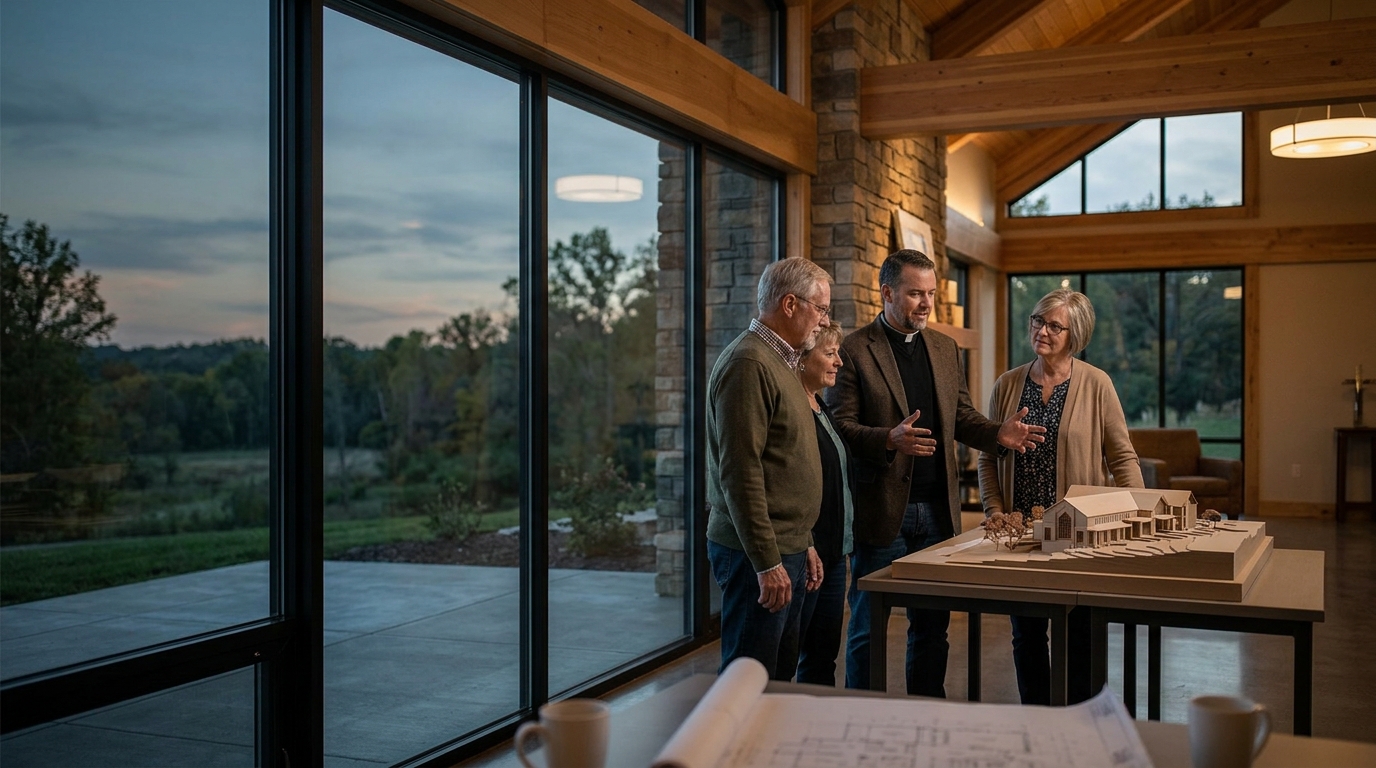
Crosspointe Architects is a ministry-first firm that pioneered the interactive Design Summit Workshop for church leaders. Based in Houston, Texas, this firm has over 32 years of experience and has completed more than 300 church projects. Their unique approach involves a hands-on workshop where the lead architect and church leadership brainstorm and draw concepts together. This process ensures the final design deeply reflects the congregation's vision and mission.
2. Churches by Daniels
Churches by Daniels is a national firm specializing in custom church design and construction. They focus on creating functional spaces that support ministry growth and community engagement. Their services often include a design-build approach, which streamlines the project timeline for church leadership. They are known for their ability to integrate modern worship aesthetics with practical ministry requirements.
3. Studio Red
Studio Red is an architecture and design firm that emphasizes creative and contemporary worship environments. They work with churches to develop spaces that are both visually striking and functionally efficient. Their designs often incorporate flexible layouts to accommodate various ministry activities. The firm is recognized for its ability to balance aesthetic innovation with the practical needs of daily church operations.
4. Visioneering Studios
Visioneering Studios is a design firm that focuses on strategic planning and architectural design for churches. They assist congregations in developing long-term master plans that align with their ministry goals. Their approach includes detailed site planning and building design that supports future growth. The firm is known for its collaborative process, which involves close partnership with church leadership teams.
5. Building God's Way
Building God's Way is a service provider that offers architectural and construction support for church projects. They focus on delivering cost-effective solutions that meet the specific needs of the congregation. Their services include project management and design assistance to ensure a smooth building process. The firm is recognized for its dedication to serving the church community with practical and reliable architectural solutions.
Choosing the Right Firm
When selecting a church architecture firm, prioritize those with a proven track record in ministry-focused design. Evaluate their design process to ensure it aligns with your leadership team's working style. Consider their experience with projects of similar size and scope to your own. A firm that understands the unique challenges of church ministry will provide the most valuable partnership.
Frequently Asked Questions
What is a ministry-focused church design?
A ministry-focused church design is an architectural approach that prioritizes the functional and spiritual needs of the congregation. It ensures that every space supports the church's mission and daily activities.
How long does a church building project typically take?
A church building project typically takes between 12 and 24 months from initial planning to completion. The timeline can vary based on the complexity of the design and local permitting requirements.
What is a Design Summit Workshop?
A Design Summit Workshop is a collaborative design process where architects and church leadership work together to develop concepts. It allows for real-time feedback and ensures the design reflects the congregation's vision.
Can pre-designed church plans be customized?
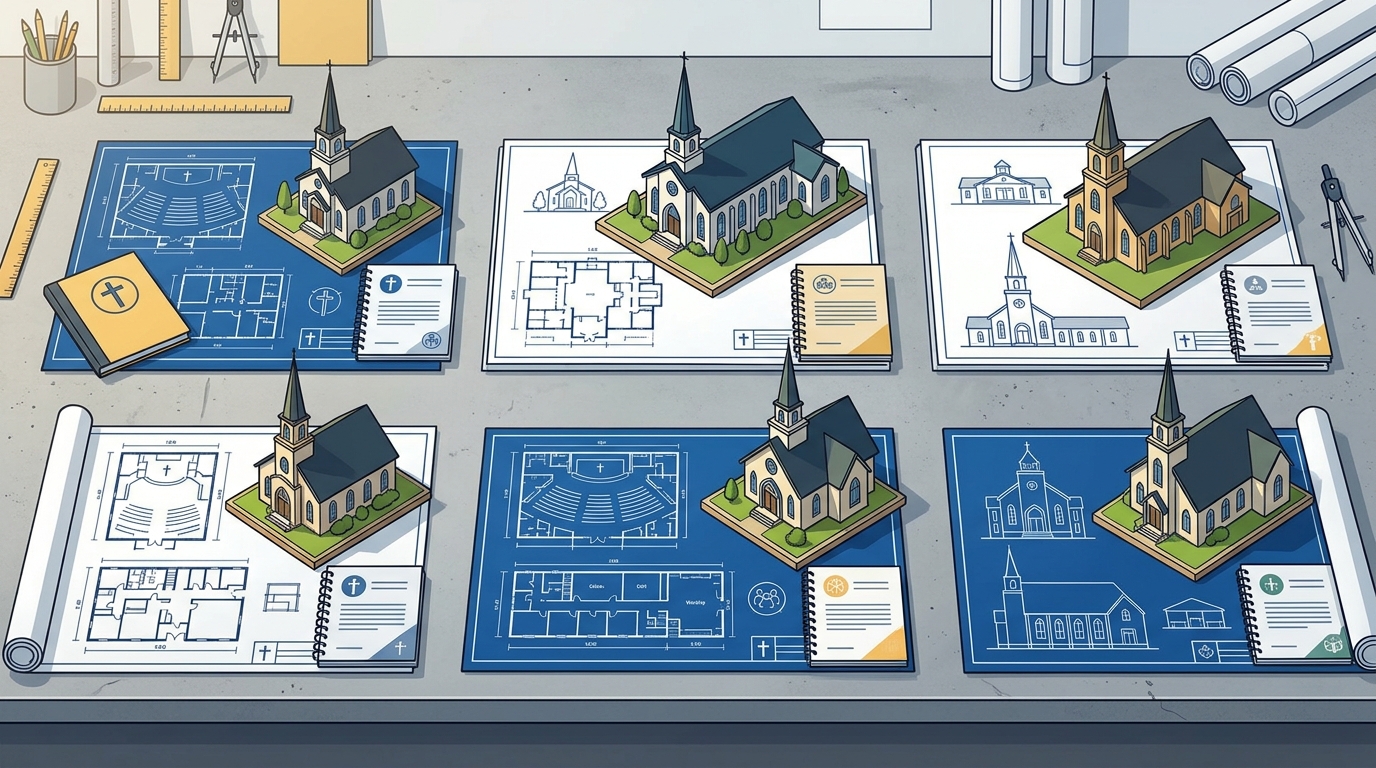
Yes, pre-designed church plans can be customized to fit specific site conditions and ministry needs. Architects can modify seating capacity, room layouts, and exterior aesthetics to suit the congregation.
Why is site planning important for church buildings?
Site planning is important for church buildings because it determines how the structure interacts with the surrounding property. It ensures efficient traffic flow, adequate parking, and a welcoming entrance for visitors.